Industries

Interroll Industries for demanding energy and mining work.

Interroll approaches application matching as an operating discipline, not a decorative claim. The work starts with the product category, the process duty, the installation limits, and the maintenance window your site can actually support. For material handling equipment, that means the equipment discussion stays tied to feed conditions, safety expectations, documentation, spare parts, and commissioning steps. This page explains how our team keeps those decisions visible so engineers, procurement teams, and maintenance leaders can work from the same facts.
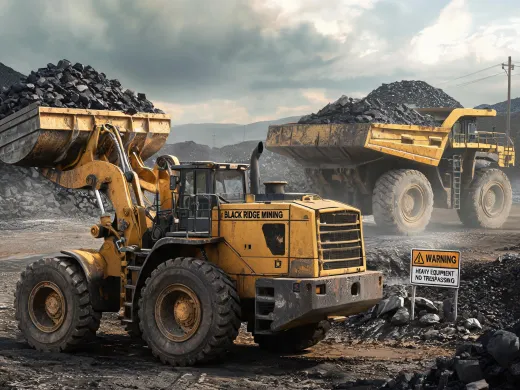
Interroll Industries field scene

regions

Applications mapped by process duty and site consequence.

Interroll approaches application matching as an operating discipline, not a decorative claim. The work starts with the product category, the process duty, the installation limits, and the maintenance window your site can actually support. For material handling equipment, that means the equipment discussion stays tied to feed conditions, safety expectations, documentation, spare parts, and commissioning steps. This page explains how our team keeps those decisions visible so engineers, procurement teams, and maintenance leaders can work from the same facts.

Industries Site conditions

Site conditions

For site conditions, Interroll records the assumptions behind the recommendation and keeps them practical. Mining, oil and gas, and power sites rarely fail because one brochure sentence was missing; they fail when duty changes, access is tight, spare parts are late, or responsibility is unclear. Our review connects material handling equipment selection with inspection points, installation notes, and support timing, giving your team a steadier path from inquiry to site use.
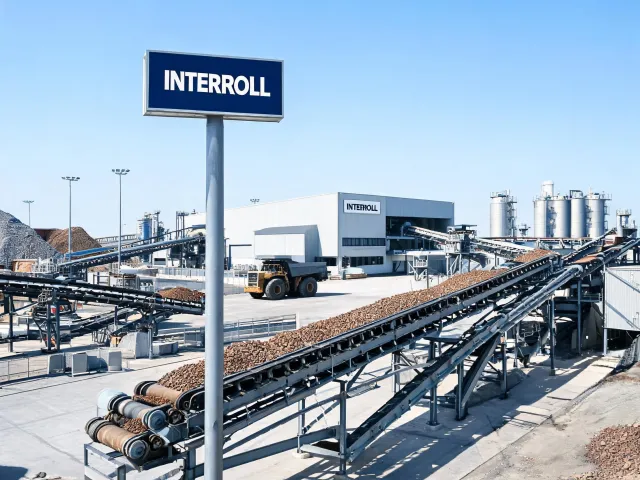
Equipment fit

For equipment fit, Interroll records the assumptions behind the recommendation and keeps them practical. Mining, oil and gas, and power sites rarely fail because one brochure sentence was missing; they fail when duty changes, access is tight, spare parts are late, or responsibility is unclear. Our review connects material handling equipment selection with inspection points, installation notes, and support timing, giving your team a steadier path from inquiry to site use.

Service access

For service access, Interroll records the assumptions behind the recommendation and keeps them practical. Mining, oil and gas, and power sites rarely fail because one brochure sentence was missing; they fail when duty changes, access is tight, spare parts are late, or responsibility is unclear. Our review connects material handling equipment selection with inspection points, installation notes, and support timing, giving your team a steadier path from inquiry to site use.

Documentation

For documentation, Interroll records the assumptions behind the recommendation and keeps them practical. Mining, oil and gas, and power sites rarely fail because one brochure sentence was missing; they fail when duty changes, access is tight, spare parts are late, or responsibility is unclear. Our review connects material handling equipment selection with inspection points, installation notes, and support timing, giving your team a steadier path from inquiry to site use.

industry stats

Applications mapped by process duty and site consequence.

Interroll approaches application matching as an operating discipline, not a decorative claim. The work starts with the product category, the process duty, the installation limits, and the maintenance window your site can actually support. For material handling equipment, that means the equipment discussion stays tied to feed conditions, safety expectations, documentation, spare parts, and commissioning steps. This page explains how our team keeps those decisions visible so engineers, procurement teams, and maintenance leaders can work from the same facts.

Industries Site conditions

Site conditions

For site conditions, Interroll records the assumptions behind the recommendation and keeps them practical. Mining, oil and gas, and power sites rarely fail because one brochure sentence was missing; they fail when duty changes, access is tight, spare parts are late, or responsibility is unclear. Our review connects material handling equipment selection with inspection points, installation notes, and support timing, giving your team a steadier path from inquiry to site use.

Equipment fit

For equipment fit, Interroll records the assumptions behind the recommendation and keeps them practical. Mining, oil and gas, and power sites rarely fail because one brochure sentence was missing; they fail when duty changes, access is tight, spare parts are late, or responsibility is unclear. Our review connects material handling equipment selection with inspection points, installation notes, and support timing, giving your team a steadier path from inquiry to site use.

Service access

For service access, Interroll records the assumptions behind the recommendation and keeps them practical. Mining, oil and gas, and power sites rarely fail because one brochure sentence was missing; they fail when duty changes, access is tight, spare parts are late, or responsibility is unclear. Our review connects material handling equipment selection with inspection points, installation notes, and support timing, giving your team a steadier path from inquiry to site use.

Documentation

For documentation, Interroll records the assumptions behind the recommendation and keeps them practical. Mining, oil and gas, and power sites rarely fail because one brochure sentence was missing; they fail when duty changes, access is tight, spare parts are late, or responsibility is unclear. Our review connects material handling equipment selection with inspection points, installation notes, and support timing, giving your team a steadier path from inquiry to site use.

Next step

Turn the industries discussion into a practical equipment plan.

Interroll can review duty conditions, product category fit, service access, and documentation needs before your team commits to a specification. The goal is simple: remove uncertainty early and keep the inquiry useful for engineering, purchasing, and maintenance.